Biohazard Cleanup
Safe, careful removal of bodily fluids and other infectious material, finished with hospital-grade disinfection.
Learn more →Texas · Kaufman County
Dealing with a death, a crime scene or a sewage backup in Heartland, TX? Get the biohazard cleaning done, from blood and bodily fluid removal to odor treatment and full disinfection. Call (877) 812-4220 at any hour.
If anyone is in danger, call 911 first. For a suicide crisis, call or text 988.
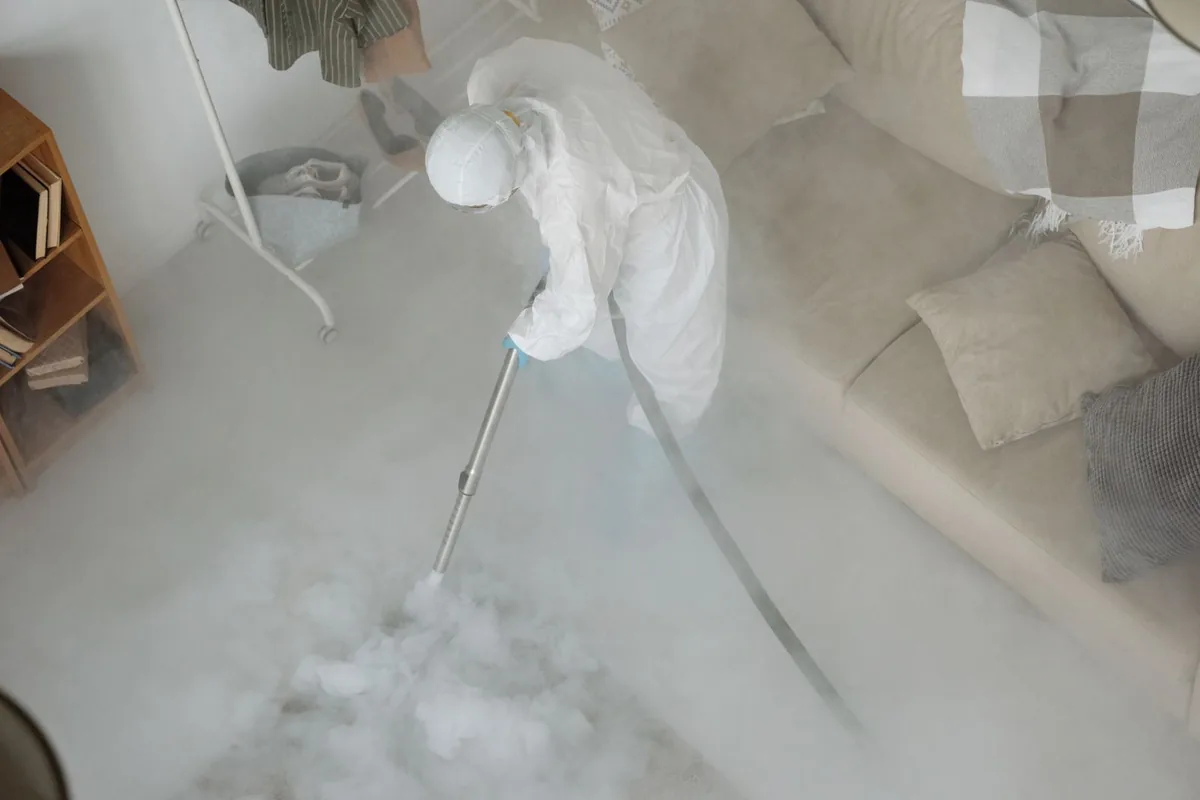
What counts as a biohazard? Anything that can spread disease, such as blood, tissue, bodily fluids, human waste, raw sewage, sharps and some animal waste. In Heartland, you can get residential and commercial biohazard cleanup that removes it safely and completely, with help from Heartland Biohazard Cleanup Help.
Property owners, family members, landlords, property managers and insurance adjusters can all get help from Heartland Biohazard Cleanup Help. The cleanup is documented with photos and notes, and coverage reaches Heartland, Kaufman and nearby towns across Kaufman County.
The average July high in Heartland is 96 degrees. Heat speeds decomposition, so an unattended death can become a larger cleanup in a short time. Vacancy in Kaufman County is lower than the Texas average, at 6%, so most cleanups happen in occupied homes where families want the work done privately and with care.
Biohazard remediation is more than wiping a surface. The cleanup team plans the work around OSHA's bloodborne pathogen rules (29 CFR 1910.1030), then uses PPE, containment and careful removal steps that keep exposure low for everyone nearby.
Products matter because a mild cleaner will not kill bloodborne germs. Biohazard cleaners use EPA-registered, hospital-grade disinfectants, follow the label for contact time and pair them with air treatment for lingering odor.
Get residential biohazard cleanup and commercial work in Heartland, with a wide range of services, so one call can sort out a death, a spill, a backup or a hoarded property.
Safe, careful removal of bodily fluids and other infectious material, finished with hospital-grade disinfection.
Learn more →Blood, bodily fluids and residue removed and disinfected after law enforcement releases the scene.
Learn more →Discreet trauma cleaning that covers waste disposal, odor removal and records for insurers.
Learn more →Respectful biohazard cleanup for homes and rentals after an unattended death.
Learn more →Gentle, discreet cleaning and disinfection of a home or rental after a death by suicide.
Learn more →Homicide cleaners remove contaminated materials, disinfect every affected surface and prepare records for insurers.
Learn more →Blood removal, disinfection and waste disposal for floors, carpet, walls and furniture after an injury or accident.
Learn more →Soaked carpet, mattresses and furniture removed, and affected surfaces sanitized after a fluid release.
Learn more →Commercial feces cleanup and urine odor control for restrooms, shops, schools and care sites.
Learn more →Odor control for landlords, buyers and families whose property still smells after a loss.
Learn more →Hauling, disinfecting and odor removal for crowded homes, without judgment or pressure.
Learn more →Hoarder house cleanout that clears every room and leaves the property ready for its next step.
Learn more →Respectful animal hoarder cleanup for owners, landlords and families, done step by step.
Learn more →Squalor cleanup that removes filth, waste and spoiled food, then scrubs and disinfects every room.
Learn more →Raw sewage removal, tear-out of soaked materials and full disinfection after a backup or overflow.
Learn more →Commercial decontamination services for offices, restaurants, schools, gyms and care sites after illness.
Learn more →Cleaning first, disinfecting second: a careful process that targets the germs, not only the stain.
Learn more →Medical waste removal: sharps, soaked dressings and clinical waste packed, sealed and hauled away.
Learn more →Needle and sharps cleanup: syringes found, collected with tools and disposed of in sealed containers.
Learn more →Clearing a room or unit after drug use, with sealed containers and proper disposal.
Learn more →Testing, removal, cleaning and retesting for properties where meth was made or heavily used.
Learn more →Fentanyl residue removal with protective gear, soft material removal and proper disposal.
Learn more →Chemical spill cleanup with containment, decontamination and records for insurers, buyers and inspectors.
Learn more →Fuel, solvent and chemical spill cleanup for homes, farms, shops and fleet yards.
Learn more →Pepper spray cleanup that lifts oily residue from surfaces without spreading it to clean rooms.
Learn more →Rodent infestation cleanup after pest control, with odor removal and sanitizing of the affected area.
Learn more →Pigeon and bird droppings cleanup on ledges, balconies, warehouses and storefronts.
Learn more →Gentle, private cleanup after a pet or wild animal has died at your home or business.
Learn more →Biohazard car cleaning for blood, vomit and body fluids, with disinfection and safe waste disposal.
Learn more →Injury scene cleaners remove soaked materials, treat odor and prepare records for employers and insurers.
Learn more →Commercial cleaning crews disinfect offices, shops, plants and rentals after injuries, deaths and backups.
Learn more →Estate cleanout after a death, handled step by step at the family's pace.
Learn more →A cleanup specialist asks what happened, who is safe and whether police or an investigator have released the scene. The answers decide how the job is planned.
Affected rooms are isolated so contamination and odor stay put. Technicians suit up and bring in the equipment the job needs.
Porous materials are removed, surfaces are scrubbed and disinfected, and tools are cleaned between steps so germs are not carried to other rooms.
Odor and surface checks confirm the result, then biohazard waste is removed from the property under medical waste rules.
Photos, documents, jewelry and keepsakes are set aside for the family whenever they can be safely saved.
OSHA bloodborne pathogen protocols, full PPE, EPA-registered disinfectants and lawful biohazard waste disposal on every job.
Cleanup covers houses, apartments, rentals, offices, churches, shops and cars or trucks, with plans that fit each type of property.
Death odor and sewage smell are treated with air scrubbers and hydroxyl or ozone equipment, not masked with sprays that fade.
Biohazard cleanup in Heartland, TX typically costs $500 to $25,000, depending on the type of biohazard, the size of the affected area and how far fluids soaked into porous materials.
Most residential jobs cost $3,000 to $5,000 (Fixr). Time since the event matters. Fluids and decomposition move deeper and odor spreads further as days pass, so the same scene can take more work the longer it waits.
| Type of job | Typical range |
|---|---|
| Blood spill cleanup, small area | $500 - $2,500 |
| Crime scene cleanup, most homes | $1,500 - $7,500 |
| Unattended death cleanup | $2,000 - $7,000 |
| Suicide cleanup | $1,500 - $5,500 |
| Sewage cleanup, most homes | $2,000 - $10,000 |
| Hoarding cleanup, level 3 home | $2,000 - $5,000 |
| Meth lab cleanup, typical | $15,000 - $20,000 |
Estimates only, not a quote. Sources: Fixr, Yelp Costs, BioCleaners Directory, PushLeads, Dropcurb, Bob Vila and cleanup company cost guides. Call (877) 812-4220 to talk through the job.
An average July high of 96 degrees in Heartland speeds up decomposition after a death. The sooner the scene is released and cleaned, the less the odor and fluids spread.
Homes, churches and businesses may need infectious disease disinfection, needle and sharps cleanup, or meth lab and fentanyl decontamination after a property is released.
Falls, power tool injuries, farm and industrial accidents and car crashes can leave blood and tissue behind. Accident scene cleanup removes the trace so the space can be used again.
Cars, trucks and work vehicles can carry biohazards after an accident, assault or medical event. Vehicle cleanup removes contaminated upholstery and disinfects every surface and vent.
After the Kaufman County Sheriff's Office or local police release a scene, blood, bodily fluids and fingerprint powder remain. Law enforcement does not clean; the property owner calls crime scene cleaners.
About 17% of homes in Kaufman County were built before 1980, and older carpet, subfloor and trim hold fluids deeper, which can mean more material to remove.
Understanding the type and size of a biohazard helps owners know what to expect. Small, contained jobs move fast, while large or hidden contamination takes longer and calls for more removal.
The body is removed by a funeral home or the authorities. Cleaning the room afterwards is not their job; the family, landlord or estate hires biohazard cleaners for death cleanup, decomposition removal and odor removal.
Only what cannot be made safe. Porous items such as carpet, padding, mattresses and upholstered furniture that soaked up fluids are usually removed. Hard surfaces and many belongings can be cleaned and disinfected instead.
Yes. Dried blood can still carry bloodborne pathogens. The CDC notes hepatitis B can survive on surfaces for at least seven days, and scraping dried blood releases particles. It should be handled with PPE and disinfected.
It varies by the germ. Hepatitis B can survive on surfaces for at least seven days, and other pathogens last for different periods. Because nobody can tell by looking, all blood is treated as infectious until it has been properly disinfected.
Biohazard cleanup is the removal, cleaning and disinfection of anything that can spread disease: blood, bodily fluids, tissue, decomposition, human and animal waste, raw sewage, sharps and drug residue. It covers crime scene cleanup, unattended death cleanup, trauma scene cleanup, suicide cleanup, hoarding cleanup and infectious disease disinfection.
Describe what happened, where it is, how big the area is and whether police have released the scene. Mention any insurance claim, pets, valuables or access issues. The more detail you share, the clearer the plan and cost range can be.
The Kaufman County Sheriff's Office or the local police decide when a scene in Kaufman County is released. Ask them directly. Cleanup begins after that release and not before.
Heat speeds decomposition. With an average July high of 96 degrees in Heartland, fluids and odor can spread faster, so the sooner the scene is released and cleaned the better.
Crews also work near Heartland, in places such as Crandall, Talty and Kaufman. Biohazard cleanup, crime scene cleaning and death cleanup are available across Kaufman County.
A cleanup specialist is ready to talk it through whenever you are.
Call (877) 812-4220